Understanding a Doji Candlestick and What Does It Mean?
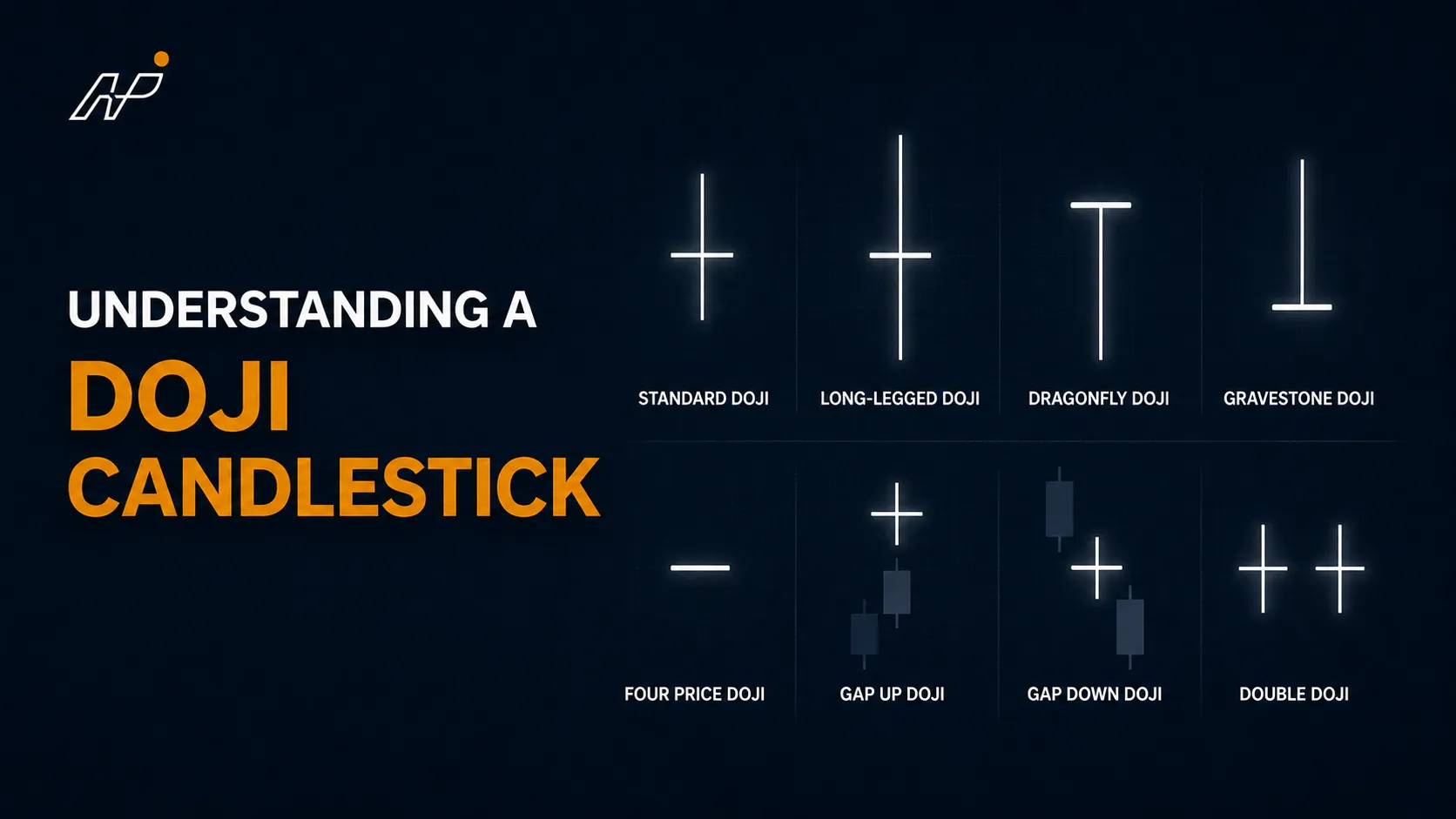
The Doji candlestick is one of the most important signals in technical analysis. It forms when the opening price and closing price of an asset are nearly identical, resulting in a very small or non-existent body with wicks extending on both sides. A Doji tells traders that neither buyers nor sellers won the battle during that period — the market is in a state of indecision.
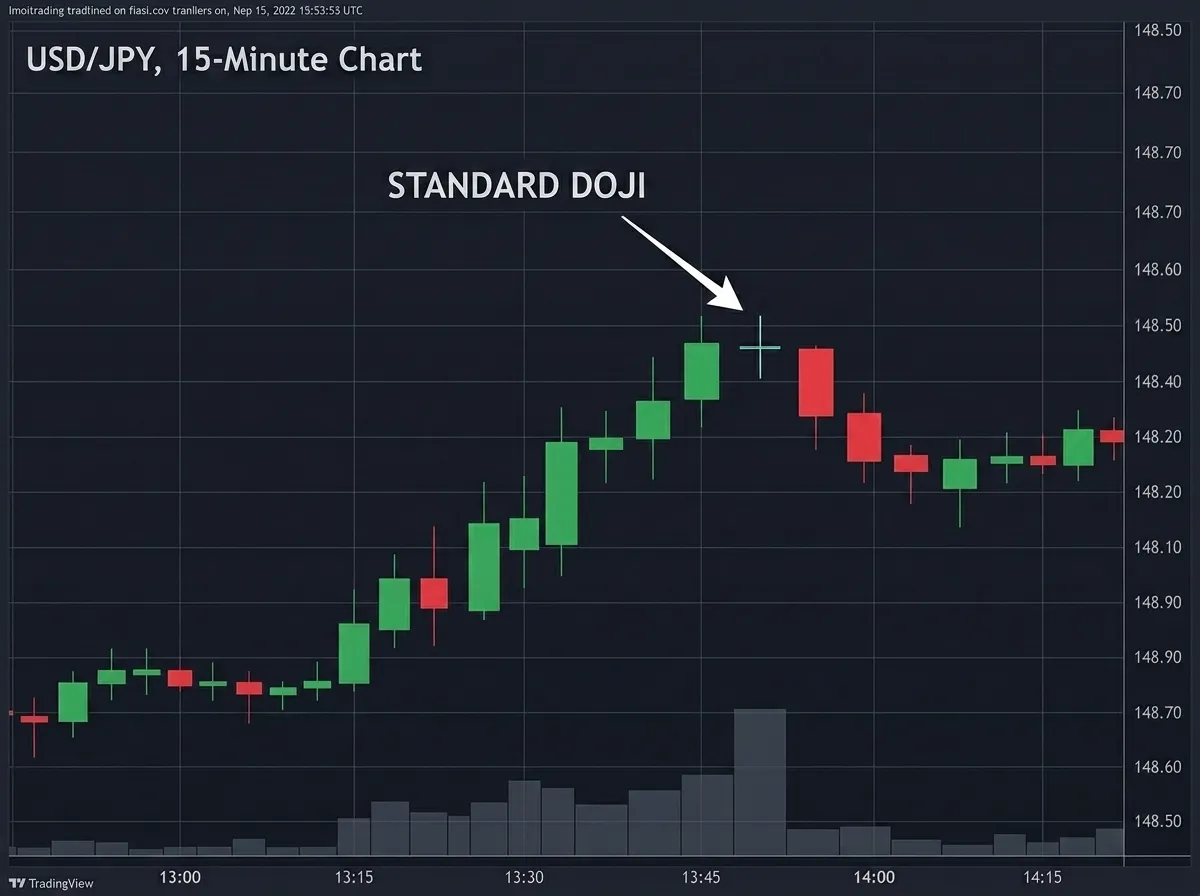
Standard Doji
The open and close are almost the same, with roughly equal upper and lower wicks. This signals a balance of power between buyers and sellers. In the context of a strong trend, it often acts as a warning that momentum is fading.
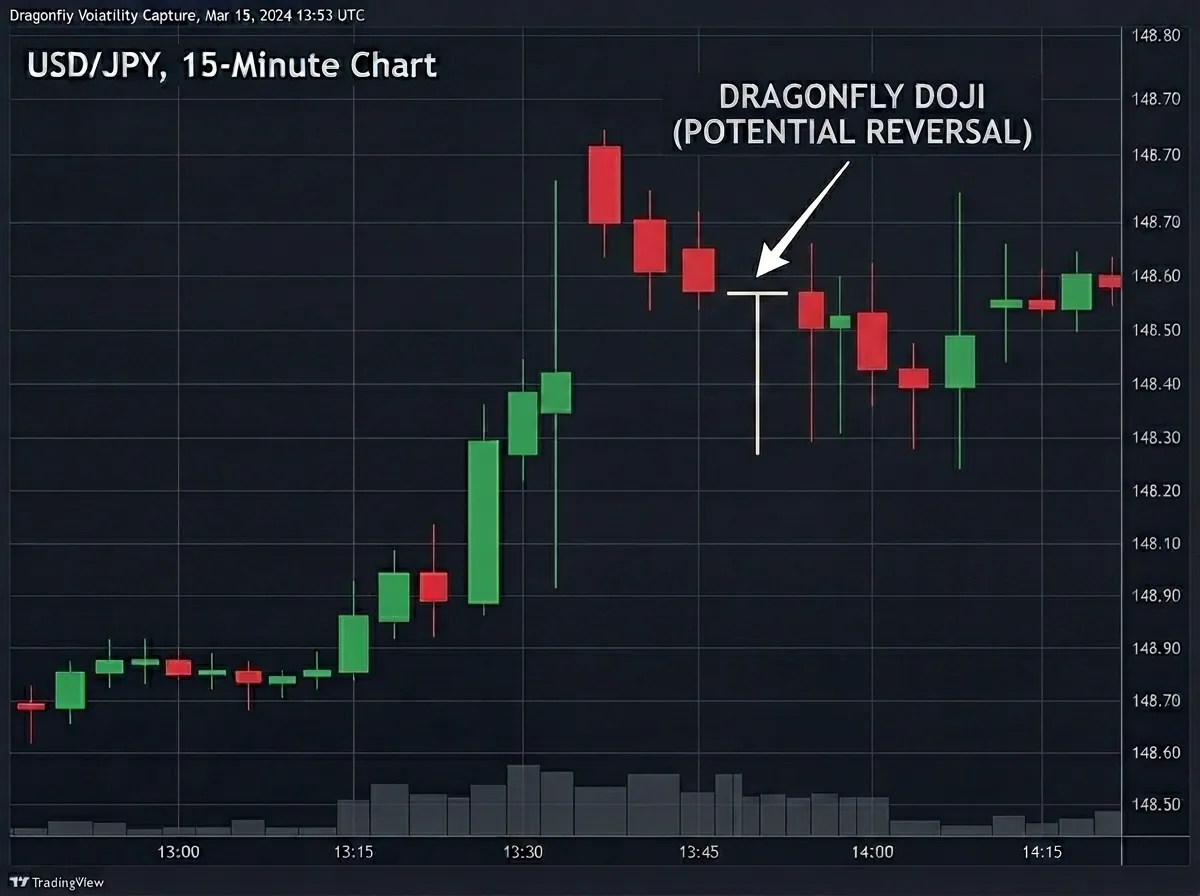
Dragonfly Doji
This Doji has a long lower wick and little to no upper wick, with the open and close near the high of the candle. It indicates that sellers pushed the price down aggressively during the period, but buyers stepped in and drove it back up. When it appears at the bottom of a downtrend, it is a strong bullish reversal signal.
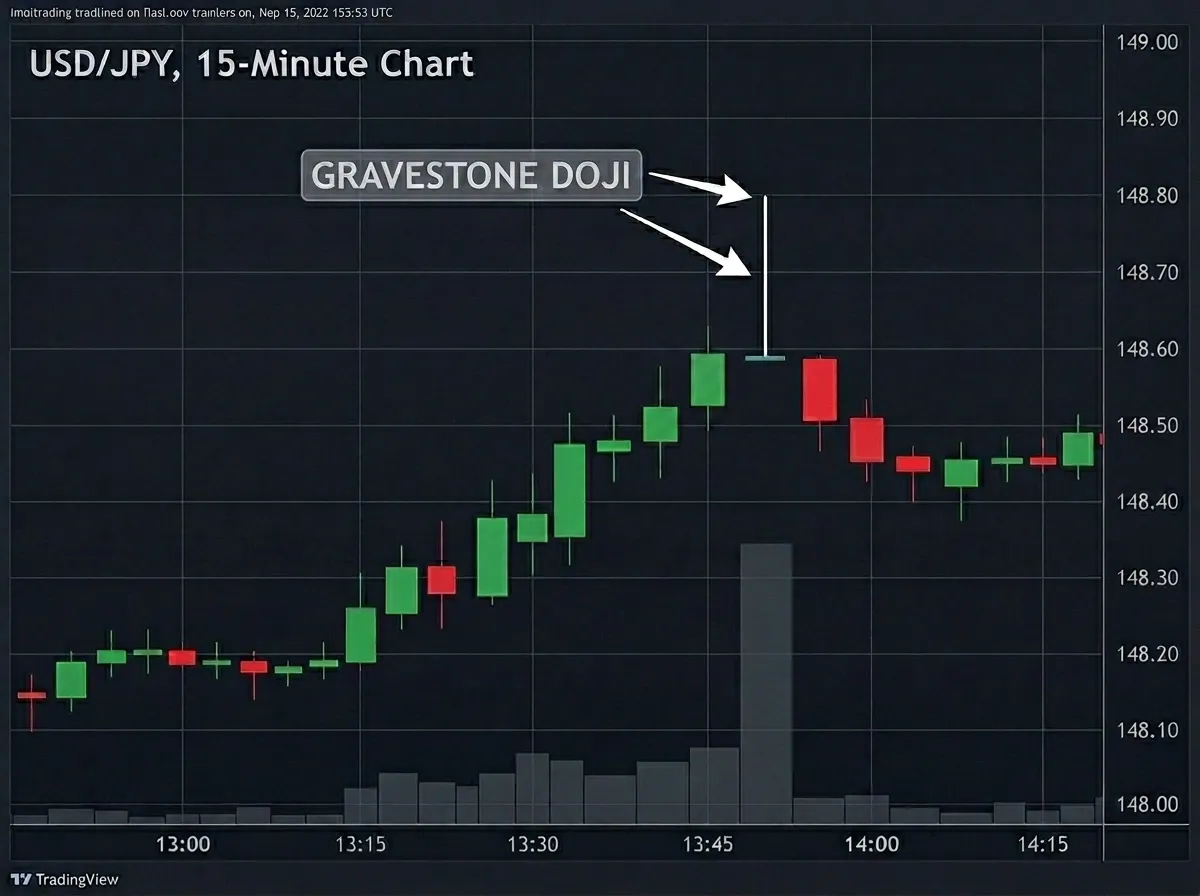
Gravestone Doji
The opposite of the Dragonfly. It has a long upper wick and no lower wick, with the open and close near the low. Buyers pushed the price up but sellers rejected it at the highs. When it appears at the top of an uptrend, it is a strong bearish reversal signal.
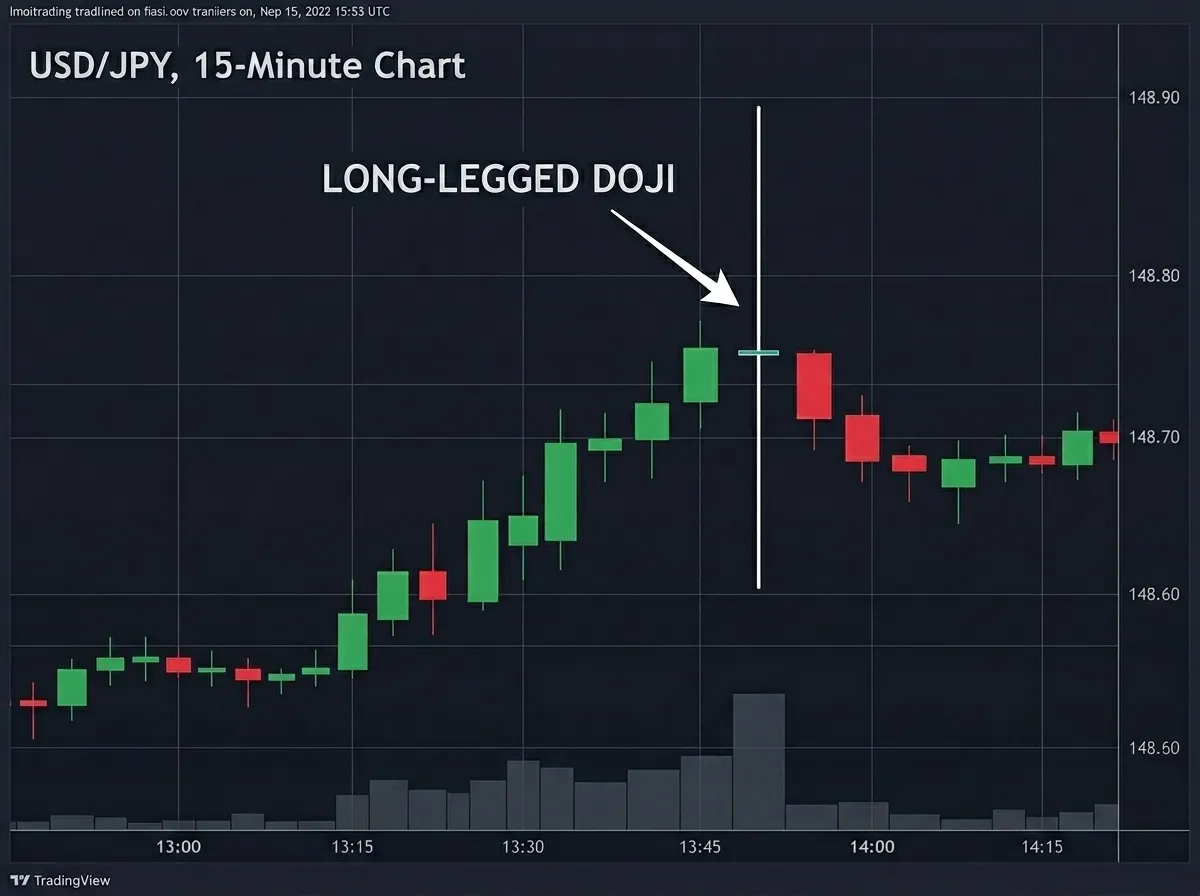
Long-legged Doji
Both the upper and lower wicks are very long, showing that price moved dramatically in both directions before closing near where it opened. This is the most extreme expression of market indecision and often precedes a major move, though the direction is uncertain.