A Doji on its own is not a trade signal. It becomes meaningful only when it appears at a key level — at a support zone, a resistance level, after a long trending move, or in combination with other candlestick patterns. A Doji followed by a confirming candle in the opposite direction of the prior trend is a reliable entry signal. For example, a Gravestone Doji at resistance followed by a large bearish candle gives a strong sell signal.
Key Takeaway: The Doji reflects a market pause. Used at the right levels with confirmation, it is one of the most reliable reversal signals available to traders.
The Spinning Top and Marubozu — Opposite Extremes of Market Sentimen
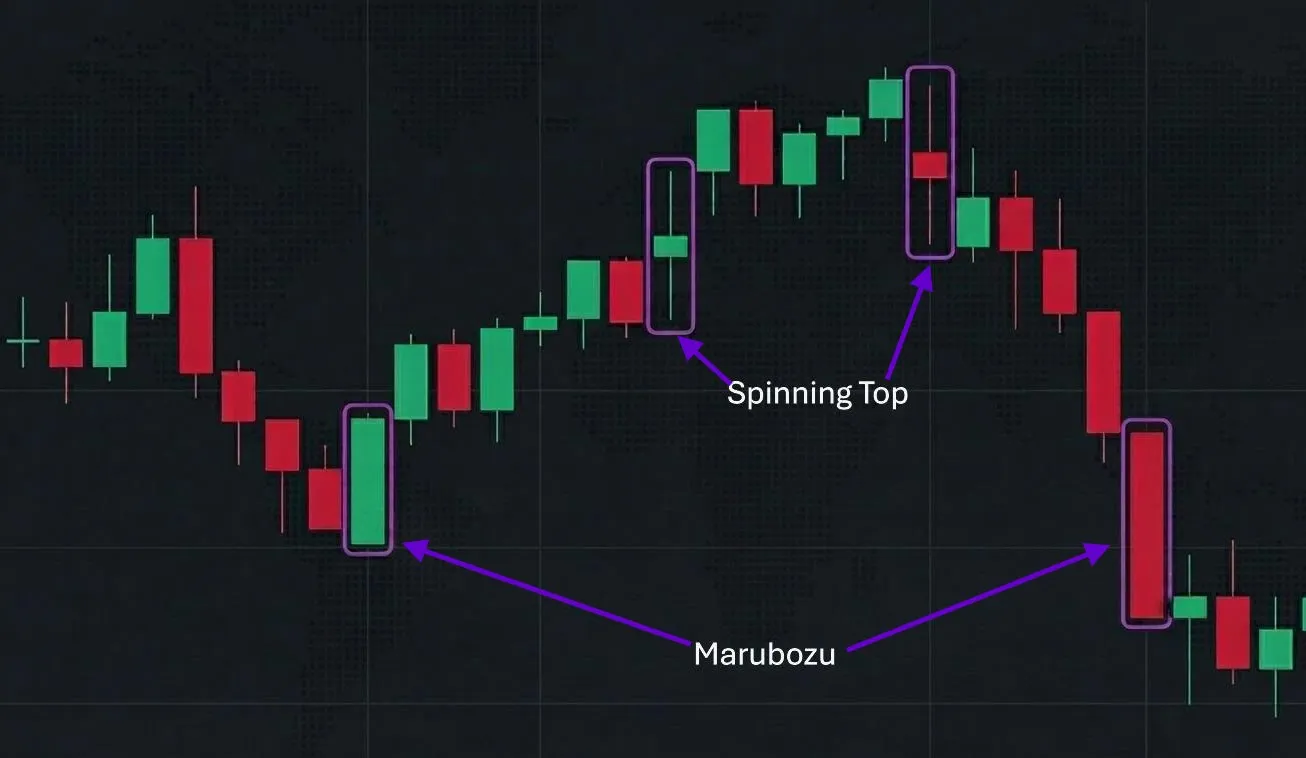
To truly understand candlestick analysis, it helps to study the extremes of the spectrum. On one end is the Marubozu — a candle of pure conviction. On the other is the Spinning Top — a candle of complete uncertainty. Understanding both helps traders identify when the market is committed to a direction, and when it is about to change its mind.
The Marubozu (Full Commitment)
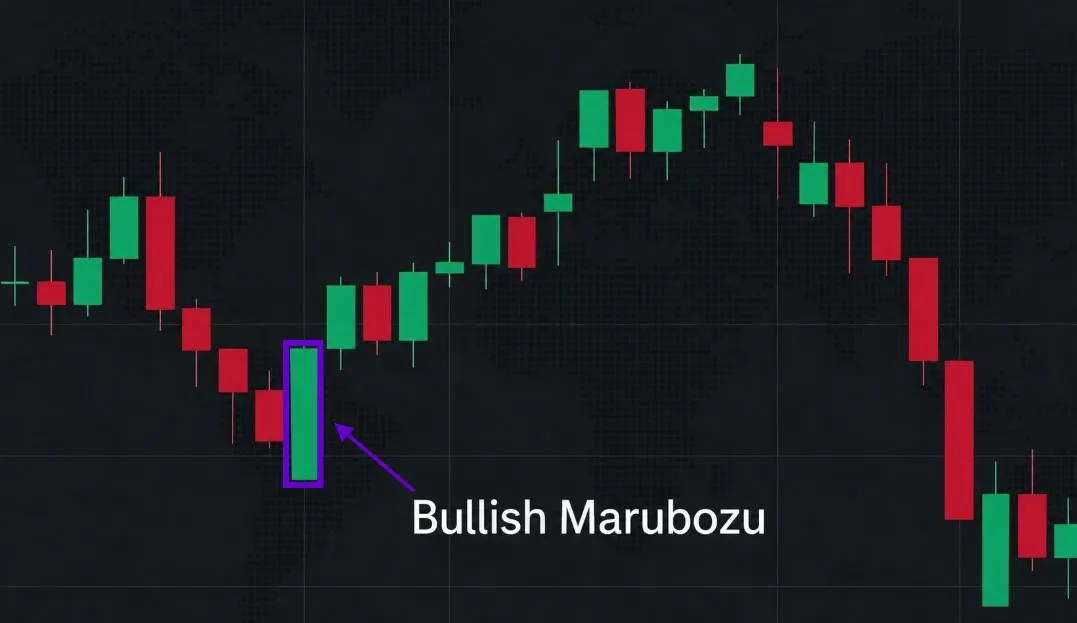
Bullish Marubozu: A long green body with no upper or lower wicks. The price opened at the lowest point of the candle and closed at the highest. Buyers were in complete control for the entire period. A Bullish Marubozu appearing at a support level or after a period of consolidation is a very strong buy signal.
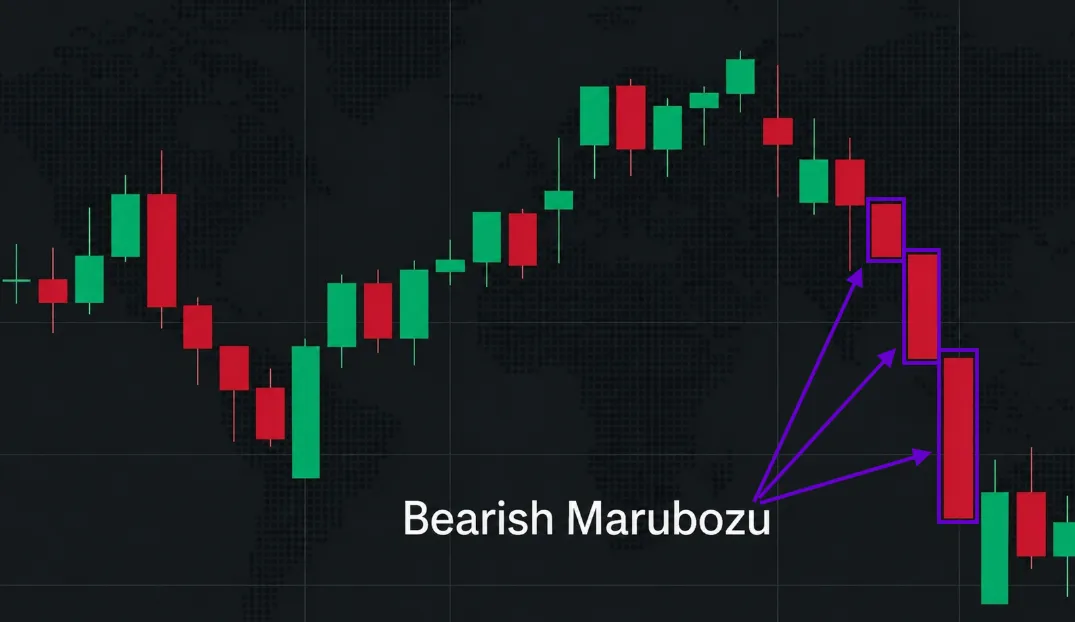
Bearish Marubozu: A long red body with no wicks. The price opened at the high and closed at the low. Sellers dominated completely. A Bearish Marubozu at a resistance zone or at the beginning of a downtrend confirms strong selling pressure.
The Spinning Top (Complete Indecision)
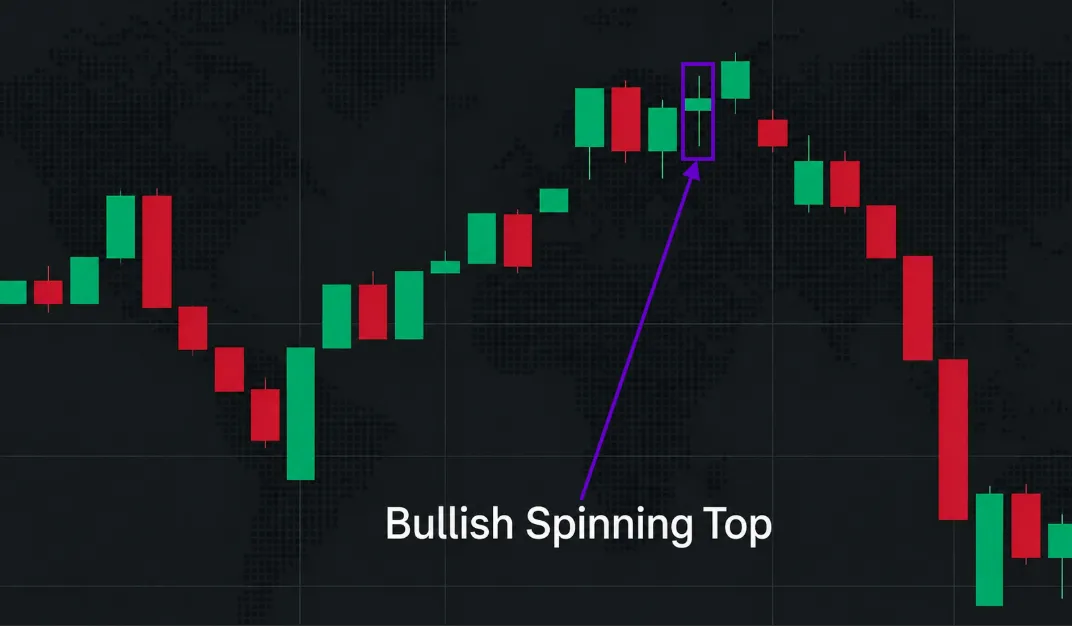
Bullish Spinning Top: A small green body with long upper and lower wicks. Buyers have a slight edge (close is higher than open), but neither side dominated.
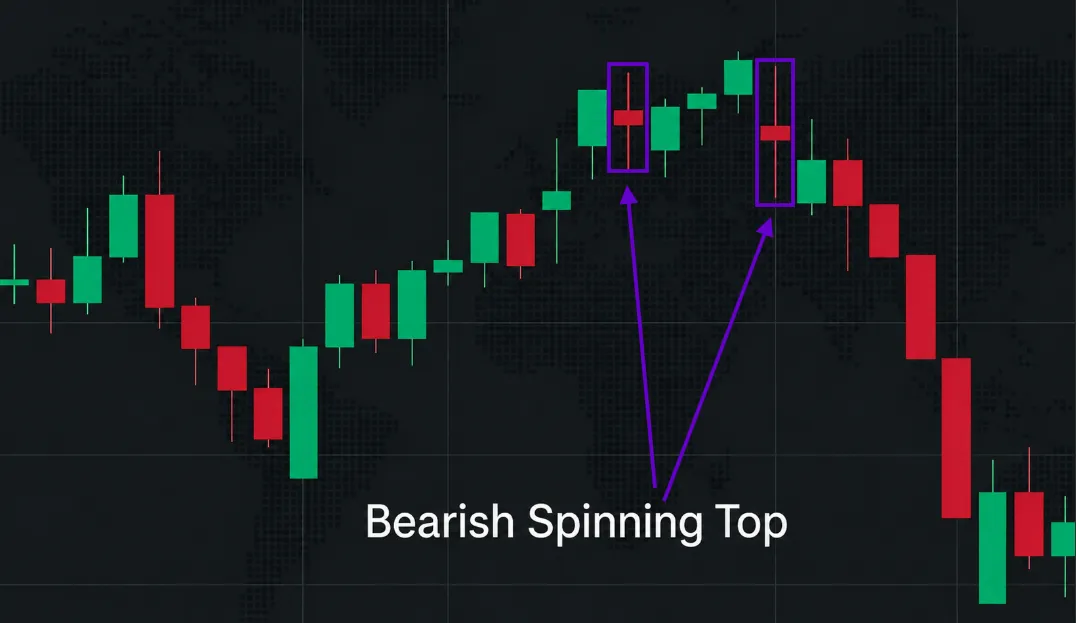
Bearish Spinning Top: Identical structure to the bullish version, but the close is slightly lower than the open. Sellers have a slight edge but the market is still largely undecided.
Phần kết luận
when a Marubozu appears, trade with it — it shows the market has made a decision. When a Spinning Top appears after a strong trending move, it signals that the trend is losing energy. Multiple consecutive Spinning Tops in a trend is an early warning that a reversal or consolidation is coming.
Key Takeaway: The Marubozu signals decisive market momentum; the Spinning Top signals hesitation. Together they tell the story of when a market is moving with confidence and when that confidence is fading.